
SERVICES
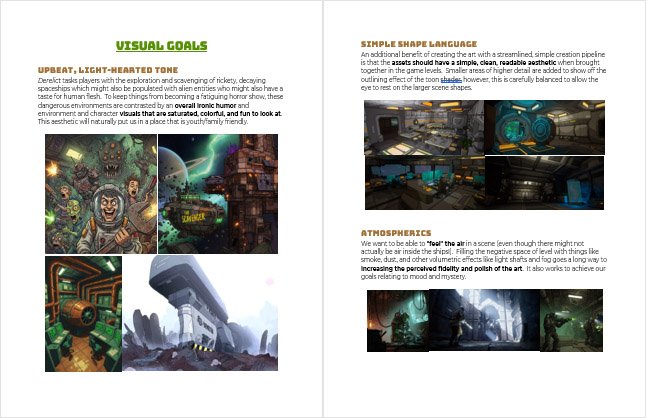
Style Guides / Art Bibles
I get it. You want to focus efforts towards putting something on screen. Or maybe your core team doesn’t have the high-level art visionary on board yet. It is tempting to delay getting an art style guide in place, however, an art style guide serves as an essential part of the core creative ideation of the product and, when done early and well, helps shape the overall design of the game. Sometimes you will need the style guide to even pitch to potential investors for that next bigger round of funding.
I have written more than a dozen style guides over the course of my career, spanning visual targets from realistic to stylized, from contemporary to futuristic. Through experience, my style guide process has become a science, allowing me to produce a core style guide and vision very quickly.
A style guide or art bible not only serves as a creative document, it needs to respect the reality of your team’s skills and budget to deliver a vision that can be successfully executed on.
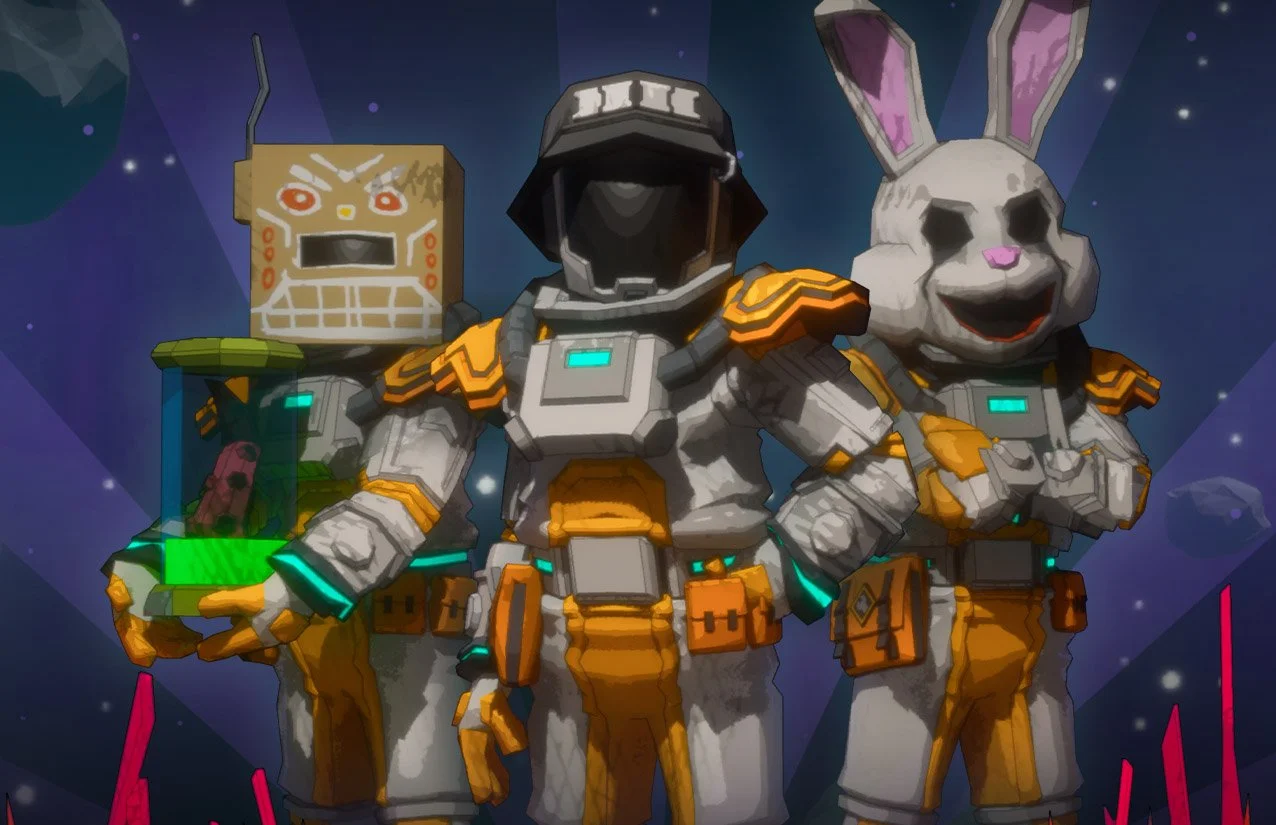
Fixed-Term, Contract, or Fractional Art Direction
There are many reasons why bringing on a full-time AD is not right for a project. It could be headcount limitations. Or maybe your small core doesn’t want to cut out another slice of the equity pie.
The reality is that in a traditional studio environment, an on-staff AD can easily spend half of their time managing and mentoring the art team. If your art team is mostly external or career development just doesn’t fit within your project’s scope, retaining an AD for a couple days a week with a focus only on the art vision can be a cost-effective way to still have visual leadership on your project.
Fixed-Term Contract – You have a clear goal in mind for what needs to be done.
Hourly – For more open-ended goals or difficult to estimate work.
Fractional – Longer-term engagement with a partial week commitment.
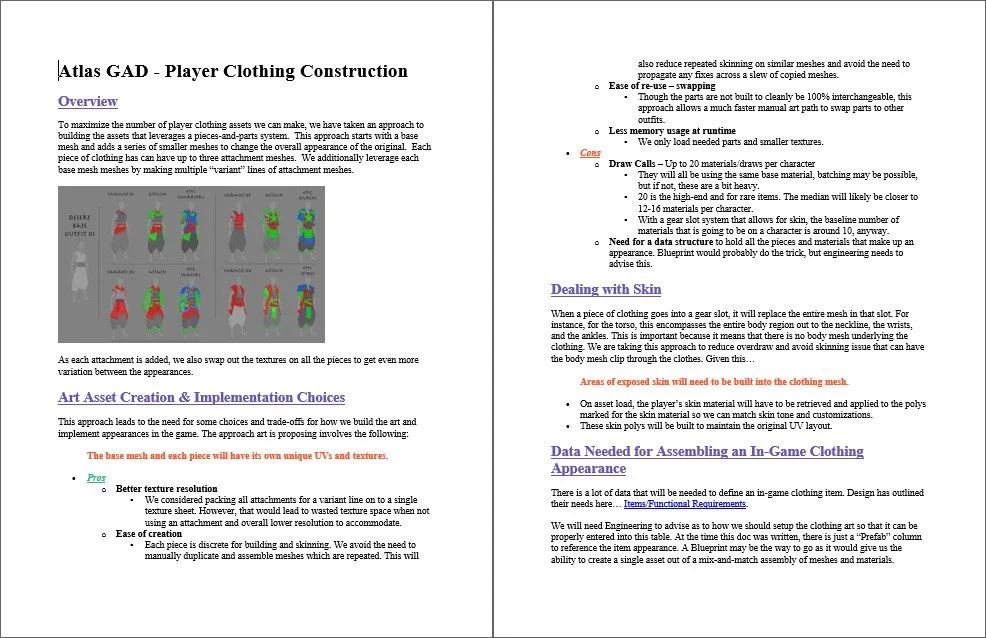
Tool / Pipeline Documentation and Creation
Documentation
We have all been guilty of letting work on documentation slide or just get out-of-date. We have often been able to get away with just tribal knowledge. But as the game industry moves towards fewer internal artists and more distributed teams, solid documentation of tools and pipelines is rising to must-have status. Set me loose on your documentation gaps and I will fill them in with clear and effective guides.
High-Level Creation
While I am not one to bang out Python code to deliver finished tools, I understand what artists need and how they want to interact with their tools and pipelines. I speak the language of engineers and tech artists and can be the bridge to guide the development of tools and pipelines. I can also design smaller, specific art pipelines like player customization systems that respect limited asset creation bandwidth.
Scheduling / Planning / Scoping - Art Production
In my nearly three decades of art leadership, I have learned that the lack of effective art production in the form of scheduling and scoping can undermine even the greatest artistic vision.
It seems that on every project there is a point where the concern arises that the art is not going to get done on time and that the art schedule needs an overhaul. An honest and accurate overhaul. Initial estimates for art creation often overlook adding time for technical setup and implementation of the assets. This can be remedied with close tracking of timelines and the collection of asset creation telemetry. This can be painful process, but if avoided, it can kill your project.
Art Director / Art Lead Support and Mentorship
Your team already has its visual muse, but they are struggling finding the balance between driving the vision for the game and setting aside the time to do the people management part of leading an art team. This can be a frustrating situation for both the product and your team.
Whether it is bringing on some help in the form of an Art Manager role or just a mentorship engagement to give your art leader a sounding board and some help easing into the scope of the role, I can help get your project to a better place.
I take great pride in the number of artists I have mentored into lead artist and art director roles as a part of guiding their career development over the course of my career.
Artist Hiring Support
You post a job and get slammed with 100 applicants in the first 24 hours. Hundreds more by the end of the week. This is the world we live in now. Unfortunately, your AI filter is tossing out great candidates for reasons like an embedded image on the resume or spelling variations on keywords.
Going through resumes and portfolios manually can burn a lot of cycles for your internal team – time that could be spent making art! I bring 30 years of art hiring experience to vetting your candidates with an eye for talent that general purpose recruiters don’t always have.
I know what you are looking for.

Outsource Vendor Vetting
Your team’s choice of an art outsource vendor partner can make or break your game. I have vetted and worked with several dozen art outsource houses, both domestic and overseas, across several projects in the course my career leading game art teams.
I employ a multi-step testing process to assess a vendor’s talent and depth to ensure that they can both deliver quality work and maintain that quality at scale to meet the needs of your project as it ramps up to full production.